gynecology.hospital
g

Published by

gynecology.hospital Editorial Team

Editorial briefinggynecology.hospital

Research briefings by the gynecology.hospital editorial team summarise published studies and official data, and list their sources at the end of each article.

Publications (42)

Obstetric Fistula: Global Burden in Low-Resource Settings
Pregnancy & Obstetrics

Obstetric Fistula: Global Burden in Low-Resource Settings

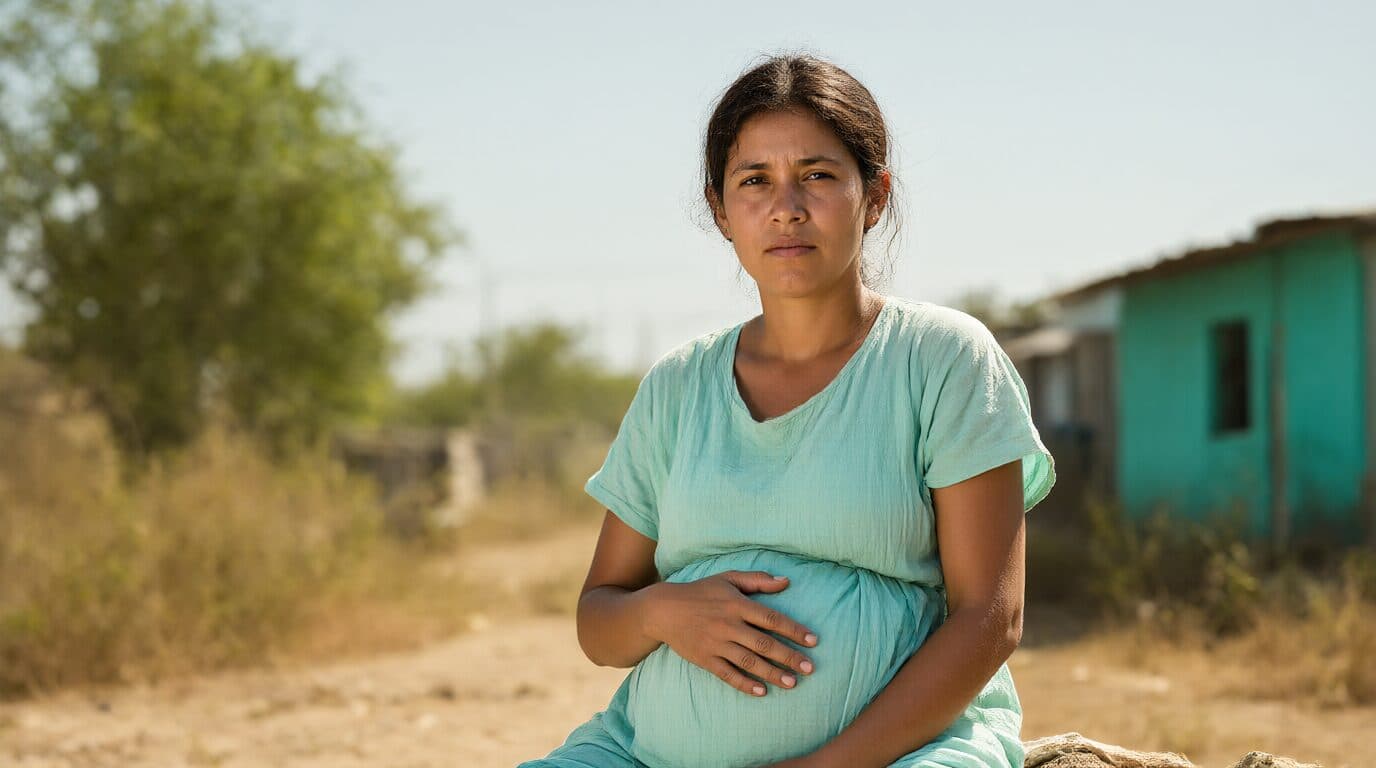
Obstetric fistula, caused by prolonged obstructed labour without emergency care, still affects an estimated 457,000 women worldwide according to a 2025 BMJ Global Health model, down from the long-cited two million. Rates in sub-Saharan Africa are nearly double those in Asia, with Nigeria, Ethiopia and DR Congo carrying the largest burdens. Surgical repair works, yet access and trained surgeons remain scarce.

Postpartum Depression: Global Prevalence, Screening and Care
Pregnancy & Obstetrics

Postpartum Depression: Global Prevalence, Screening and Care

Postpartum depression is one of the most common yet under-recognised complications of childbirth. Diagnostic-interview estimates place postpartum major depression at about 6.8%, with the highest rates in southern sub-Saharan Africa and South Asia. Only about 10% of cases are identified in low- and middle-income countries; WHO-endorsed task-sharing models such as the Thinking Healthy Programme offer scalable treatment.

Poland Abortion Reform 2026: Sejm Votes and Likely Veto
Global News

Poland Abortion Reform 2026: Sejm Votes and Likely Veto

On 20 October 2026 Poland's Sejm passed two narrow bills: one restoring termination for severe fetal abnormality, struck down by the 2020 Constitutional Tribunal ruling, and one removing prison terms for assisting an abortion. President Karol Nawrocki opposes liberalization and the coalition lacks the votes to override a veto, so practical change for women may remain limited.

Menopause Hormone Therapy Access Worldwide
Global News

Menopause Hormone Therapy Access Worldwide

Menopausal hormone therapy is the most effective treatment for vasomotor symptoms and reduces fracture risk when started early. Utilization is low globally after the WHI, with marked ethnic and cultural disparities. Guidelines from IMS, NAMS, and NICE endorse individualized use before age 60 or within 10 years of menopause.