Obstetric Fistula: Global Burden in Low-Resource Settings
Obstetric fistula, caused by prolonged obstructed labour without emergency care, still affects an estimated 457,000 women worldwide according to a 2025 BMJ Global Health model, down from the long-cited two million. Rates in sub-Saharan Africa are nearly double those in Asia, with Nigeria, Ethiopia and DR Congo carrying the largest burdens. Surgical repair works, yet access and trained surgeons remain scarce.

Obstetric Fistula: The Persistent Global Burden in Low-Resource Settings
Editorial analysis • November 2026
Abstract
Obstetric fistula, a hole between the birth canal and the bladder or rectum caused by prolonged obstructed labour without timely emergency care, remains a major but under-recognised cause of chronic morbidity among women in low-resource settings. Older estimates of two million women living with untreated fistula have been revised downward. A 2025 modelling study published in BMJ Global Health estimates approximately 457,000 women aged 15–64 years (and 386,000 of reproductive age) currently live with the condition, concentrated in sub-Saharan Africa and parts of Asia. Prevalence rates are nearly twice as high in sub-Saharan Africa as in Asia. Nigeria, Ethiopia and the Democratic Republic of the Congo carry the largest absolute burdens. Surgery can restore continence in the majority of cases when performed by trained surgeons, yet access remains limited. Prevention depends on skilled birth attendance, emergency obstetric care and delayed childbearing. This analysis examines current burden estimates, regional disparities, treatment capacity and the unfinished agenda to eliminate fistula.
1. What obstetric fistula is and how it occurs
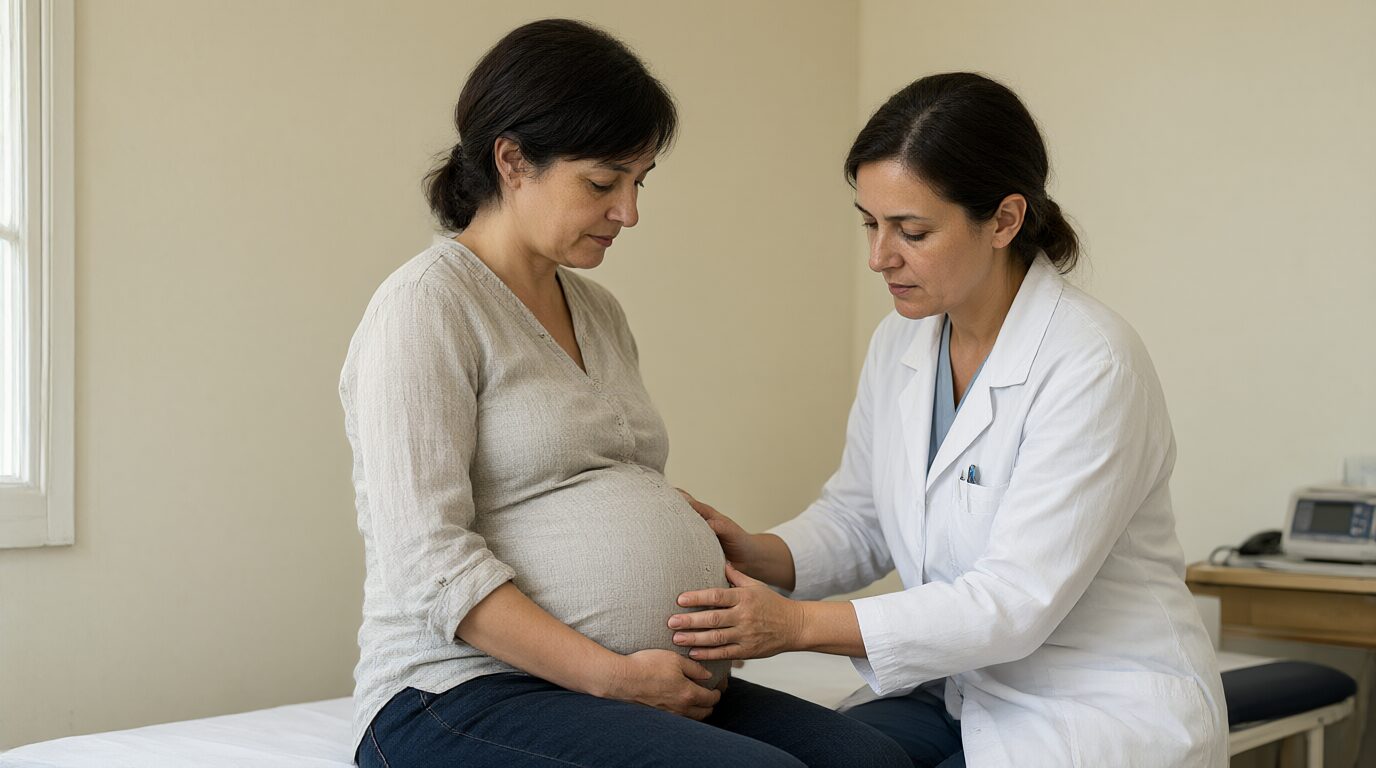
Obstetric fistula develops when a woman endures prolonged, obstructed labour without timely access to caesarean section or other emergency care. The pressure of the baby’s head against the pelvic bones cuts off blood supply to the soft tissues of the vagina, bladder or rectum. After the tissue dies, a hole forms. The result is continuous leakage of urine (vesicovaginal fistula), faeces (rectovaginal fistula), or both. Most women who develop a fistula also lose the baby; stillbirth rates in these cases commonly exceed 90 %.
The condition is almost entirely preventable with timely, skilled obstetric care. It has been virtually eliminated in high-income countries for decades. Its persistence is therefore a marker of health-system failure: distance from facilities, lack of transport, insufficient skilled attendants, and, in some settings, early marriage and adolescent pregnancy that increase the risk of cephalopelvic disproportion.
2. Revised global and regional burden estimates
For many years the most frequently cited figure was that two million women lived with untreated obstetric fistula, with 50,000–100,000 new cases arising annually. These numbers originated from older WHO extrapolations and were widely repeated by UNFPA and others. A 2025 study led by researchers at Johns Hopkins Bloomberg School of Public Health, in collaboration with UNFPA, applied a predictive model to Demographic and Health Survey data and produced substantially lower estimates: approximately 457,000 women aged 15–64 years (95 % confidence interval 303,000–709,000) and 386,000 women of reproductive age (15–49).
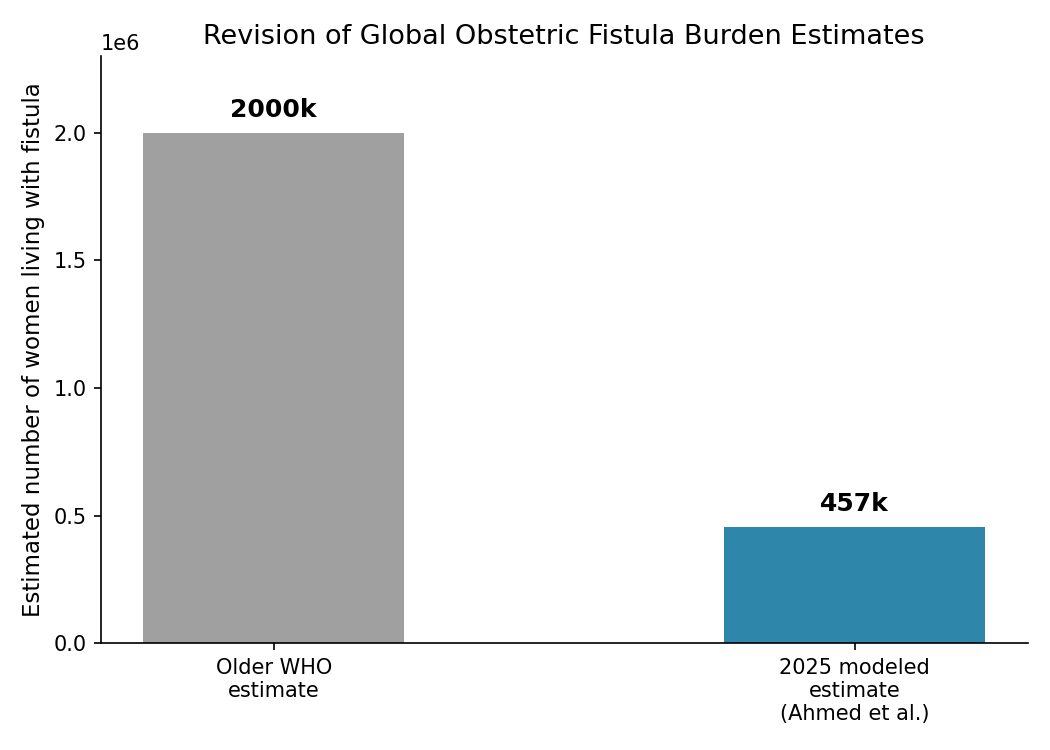
Figure 1. Revision of the global estimate of women living with obstetric fistula (sources: older WHO figures vs Ahmed et al., BMJ Global Health 2025).
The decline is consistent with documented improvements in skilled birth attendance, caesarean section rates and reductions in maternal mortality across many low- and middle-income countries over the past two decades. The UNFPA-led Campaign to End Fistula, launched in 2003, has also expanded surgical capacity and awareness. Nonetheless, nearly half a million women continue to live with a condition that is both preventable and treatable.
3. Regional and country disparities
Prevalence rates remain markedly higher in sub-Saharan Africa than in Asia. The 2025 analysis found approximately 71 cases per 100,000 women in sub-Saharan Africa versus 36 per 100,000 in Asia. Within Africa, West and Central Africa and the Arab States region (including Afghanistan, Somalia, Sudan and Yemen) show the highest rates.
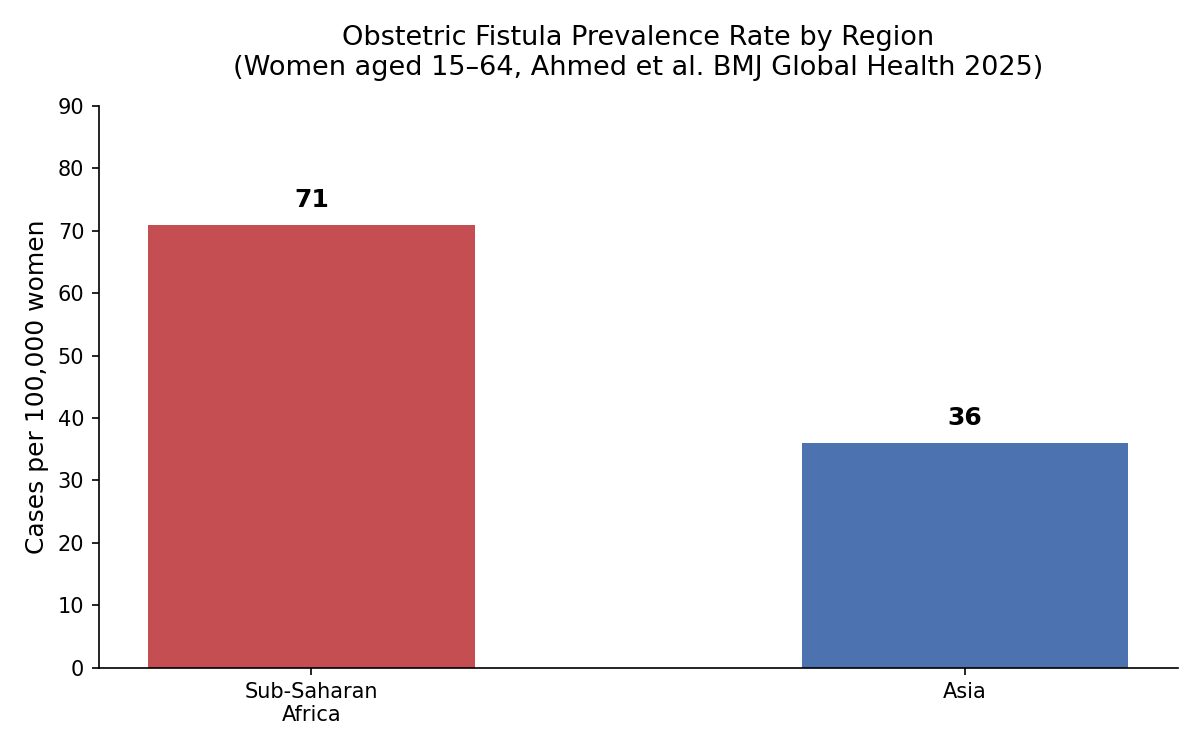
Figure 2. Obstetric fistula prevalence rates by region (women aged 15–64; Ahmed et al., BMJ Global Health 2025).
In absolute numbers, Nigeria carries the largest burden in sub-Saharan Africa, with an estimated 45,000 women of reproductive age and about 52,000 women aged 15–64 living with fistula. Ethiopia follows with roughly 19,000–22,000 cases, and the Democratic Republic of the Congo with approximately 12,000–13,000. These three countries alone account for a substantial share of the continental total. Afghanistan is reported by UNFPA as having one of the highest national burdens in Asia.
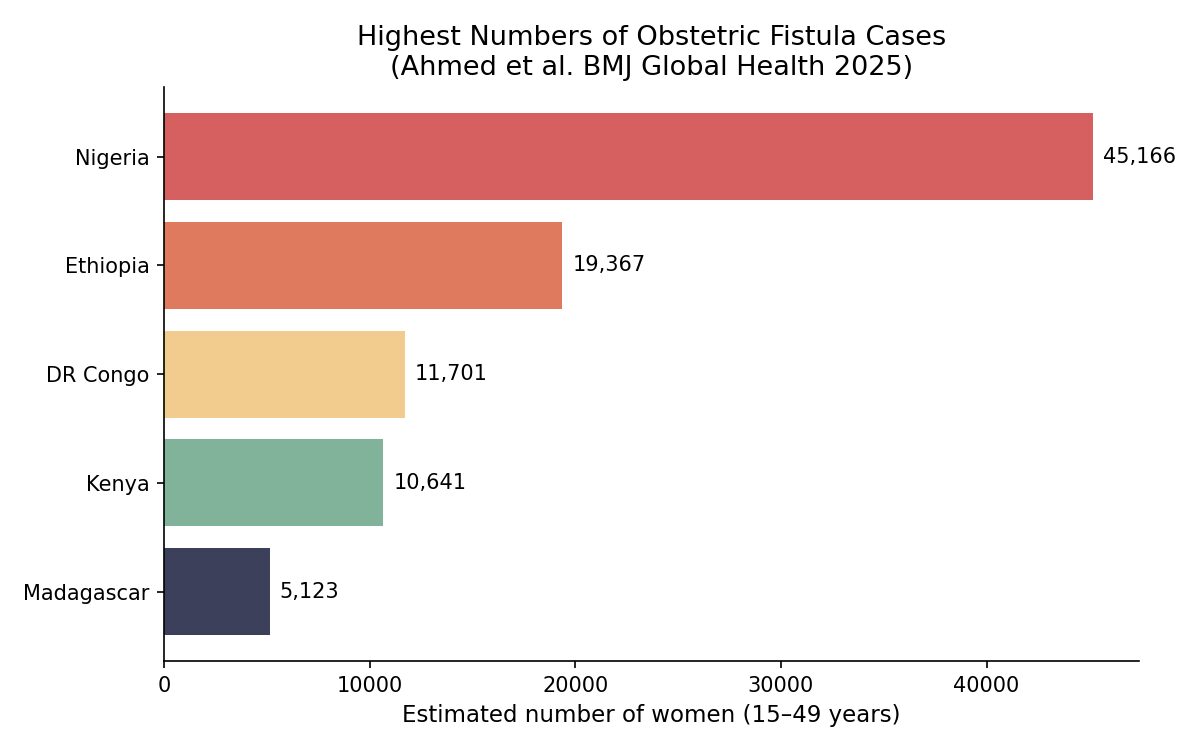
Figure 3. Countries with the highest estimated numbers of women of reproductive age living with obstetric fistula (Ahmed et al., BMJ Global Health 2025).
4. Treatment access and surgical capacity
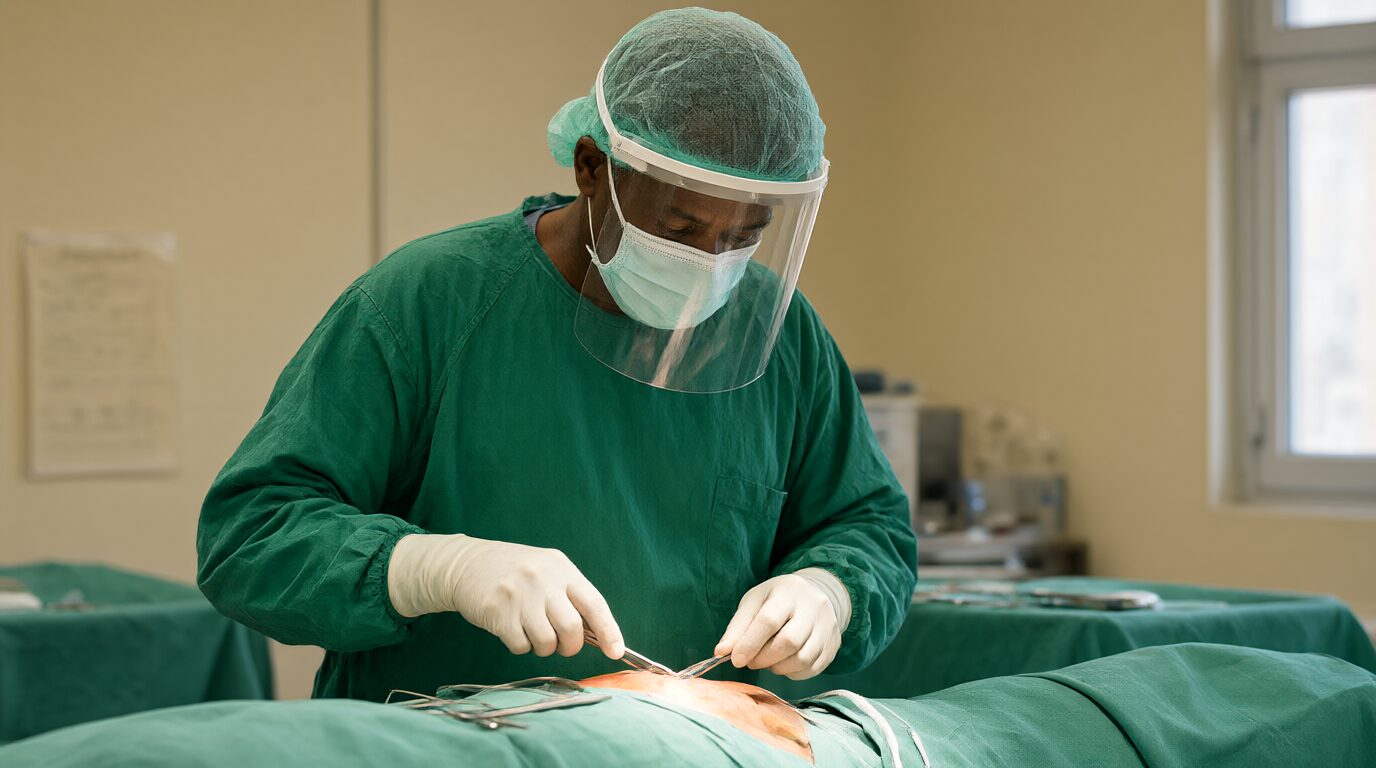
Reconstructive surgery can close the fistula and restore continence in the majority of straightforward cases when performed by a trained surgeon. Success rates in specialised centres commonly exceed 80–90 % for simple fistulas, although complex cases and those with severe scarring have lower rates and may require multiple procedures. Beyond surgery, full recovery usually requires physiotherapy, counselling, social reintegration support and, for many women, economic assistance.
UNFPA reports that it has directly supported more than 153,000 surgical repairs since the Campaign to End Fistula began. Partner organisations have supported thousands more. The average cost of a complete package (surgery, post-operative care and basic rehabilitation) is estimated at around US$600. Despite this relatively modest cost, large treatment gaps persist. Many women never reach a facility capable of repair because of distance, cost, lack of information or social exclusion. There remains a shortage of surgeons specifically trained in fistula repair, particularly outside major urban centres.
Iatrogenic fistula—injury caused during poorly performed caesarean section or other pelvic surgery—is an emerging concern as caesarean rates rise without corresponding improvements in surgical quality and supervision.
5. Prevention strategies and the unfinished agenda
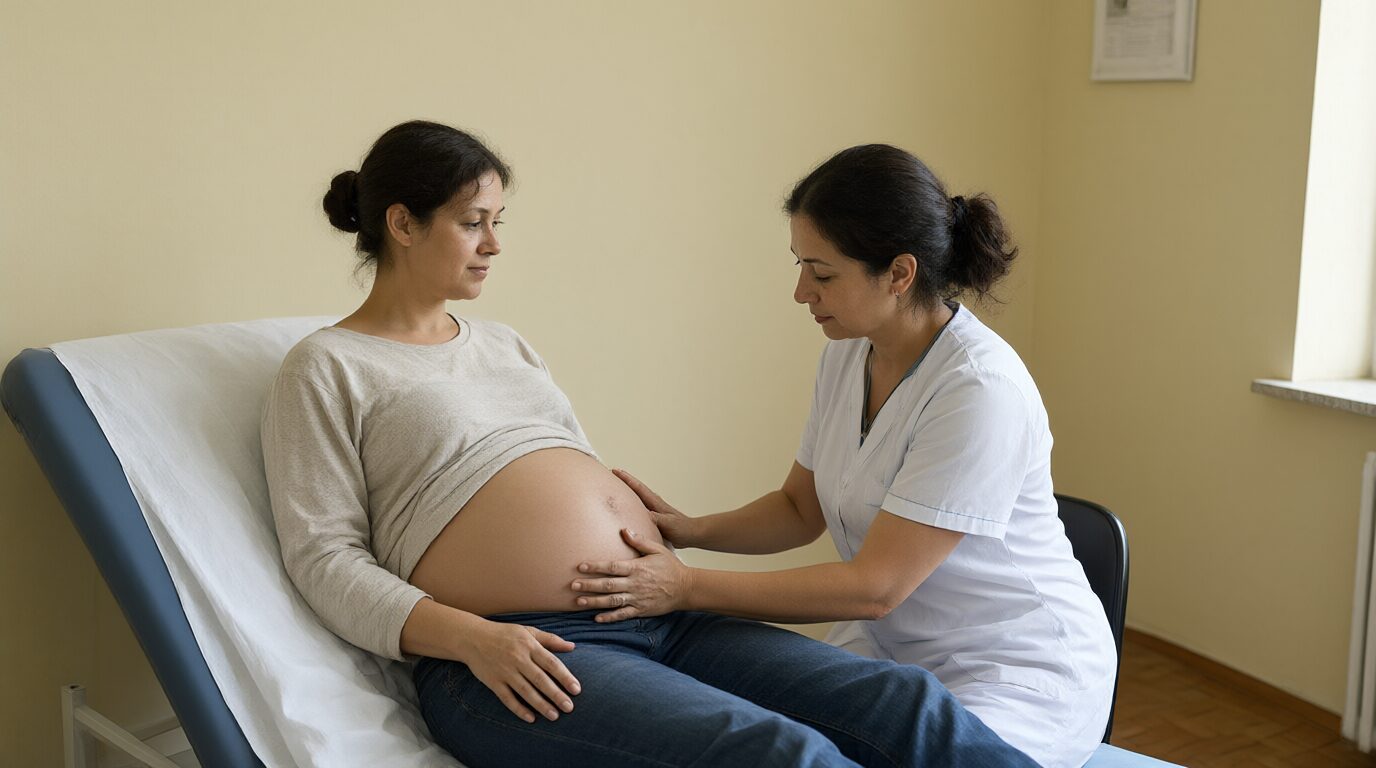
The most effective prevention is universal access to timely, high-quality emergency obstetric care, including the ability to perform caesarean section when labour is obstructed. Complementary measures include family planning to reduce unintended and high-parity pregnancies, delayed marriage and childbearing, improved nutrition, and community-level birth preparedness. Midwifery workforce gaps remain large; WHO estimates a global shortage of over 900,000 midwives, half of them in sub-Saharan Africa.
United Nations resolutions have repeatedly called for the elimination of obstetric fistula within a generation, aligned with the 2030 Sustainable Development Goals. Progress has been real, as reflected in the downward revision of prevalence estimates, but the absolute number of women still waiting for repair is large, and new cases continue to occur wherever emergency obstetric care is unavailable. Humanitarian crises and conflict further disrupt services and increase risk.

Conclusion
Obstetric fistula is no longer estimated to affect two million women, yet approximately half a million still live with a condition that modern obstetric care has rendered almost non-existent in high-income settings. The burden is concentrated in sub-Saharan Africa and parts of South Asia and the Arab States region, with Nigeria, Ethiopia and the Democratic Republic of the Congo carrying the largest numbers of cases. Surgery works, prevention is known, and the cost of both is modest relative to the lifelong disability averted. Closing the remaining gap requires sustained investment in emergency obstetric capacity, trained surgical teams, and social support for women who have already been injured.
References
1. Ahmed S, et al. Global, regional and national estimates of obstetric fistula prevalence. BMJ Global Health. 2025;10:e020877.
2. United Nations Population Fund. Obstetric fistula. UNFPA, 2025–2026 updates.
3. Johns Hopkins Bloomberg School of Public Health. Study Reveals Major Decline in Global Obstetric Fistulas. January 2026.
4. World Health Organization. Obstetric fistula (fact sheets and regional statements).
5. United Nations. Intensifying efforts to end obstetric fistula within a decade: Report of the Secretary-General (A/79/112 and related).
6. UNFPA. Campaign to End Fistula programme reports and country data (Nigeria, Ethiopia, Afghanistan).
Prepared for gynecology.hospital. Content is original and based on published peer-reviewed sources and official UN/WHO/UNFPA figures. Not a substitute for individual clinical advice.
Research briefings by the gynecology.hospital editorial team summarise published studies and official data, and list their sources at the end of each article.