Faith, Forgiveness and Abortion Care: One Arizona Clinic and the Global Weight of Religious Stigma
A Christian gynecologist in Phoenix prays with patients and speaks of forgiveness before abortion care. Studies from Ethiopia, Zambia, DR Congo, Nigeria, Nepal and Malawi show the same fear of damnation is a global barrier to safe care.

November 2026 | Global News
In a clinic in Phoenix, Arizona, Dr. DeShawn Taylor, a Christian gynecologist, offers patients a prayer before an abortion and tells them that God is forgiving. The practice is neither common nor uncontroversial, yet it addresses a reality that appears in clinical rooms far beyond the United States: many women who seek abortion care also hold religious beliefs and fear spiritual condemnation. Taylor’s approach at the Desert Star Institute for Family Planning illustrates one way providers attempt to reduce the psychological burden of religious stigma. In many low- and middle-income countries the same fear of damnation, community rejection and divine judgment operates with fewer legal protections and higher risks of unsafe procedures. Understanding both the Arizona example and the broader global pattern of religiously framed abortion stigma is necessary for any realistic assessment of barriers to safe reproductive health care.

A Clinic That Treats Faith as Part of Care
Dr. DeShawn Taylor founded Desert Star in 2013. The clinic is one of a small number of brick-and-mortar abortion facilities in Arizona and is the only one owned by a Black woman. It provides abortion care alongside routine gynecological services, contraception and gender-affirming care. Taylor has described her own adult baptism and Christian formation as compatible with the work she does. When a patient in 2017 asked for prayer before a procedure, Taylor responded. The practice has continued. Staff members, some of whom also identify as Christian or Catholic, report that patients frequently raise concerns about sin, judgment and the afterlife. Taylor’s response is consistent: she offers the view that forgiveness is available and that abortion is not an unforgivable act. She has written that she sleeps well at night with both her faith and her clinical practice.
Arizona’s legal environment has shifted several times since the 2022 Dobbs decision. A 15-week ban was in place until courts began striking down restrictions. In 2024 voters approved Proposition 139, which placed a fundamental right to abortion in the state constitution. Subsequent rulings in 2025 and 2026 blocked the 15-week limit, the 24-hour waiting period, ultrasound requirements and certain other constraints. Even with these protections, the clinic continues to operate in a political climate in which some legislators seek further limits. Taylor’s coalition work includes training providers and supporting birth-justice initiatives. The presence of faith-based counseling inside the clinic is presented by staff as a practical response to the fact that a substantial share of abortion patients identify with a religion. Older U.S. data from the Guttmacher Institute showed that a majority of abortion patients reported a religious affiliation; more recent surveys continue to find that large proportions of women who obtain abortions are Christian, Catholic or members of other faith communities.
Religious Stigma Beyond the United States
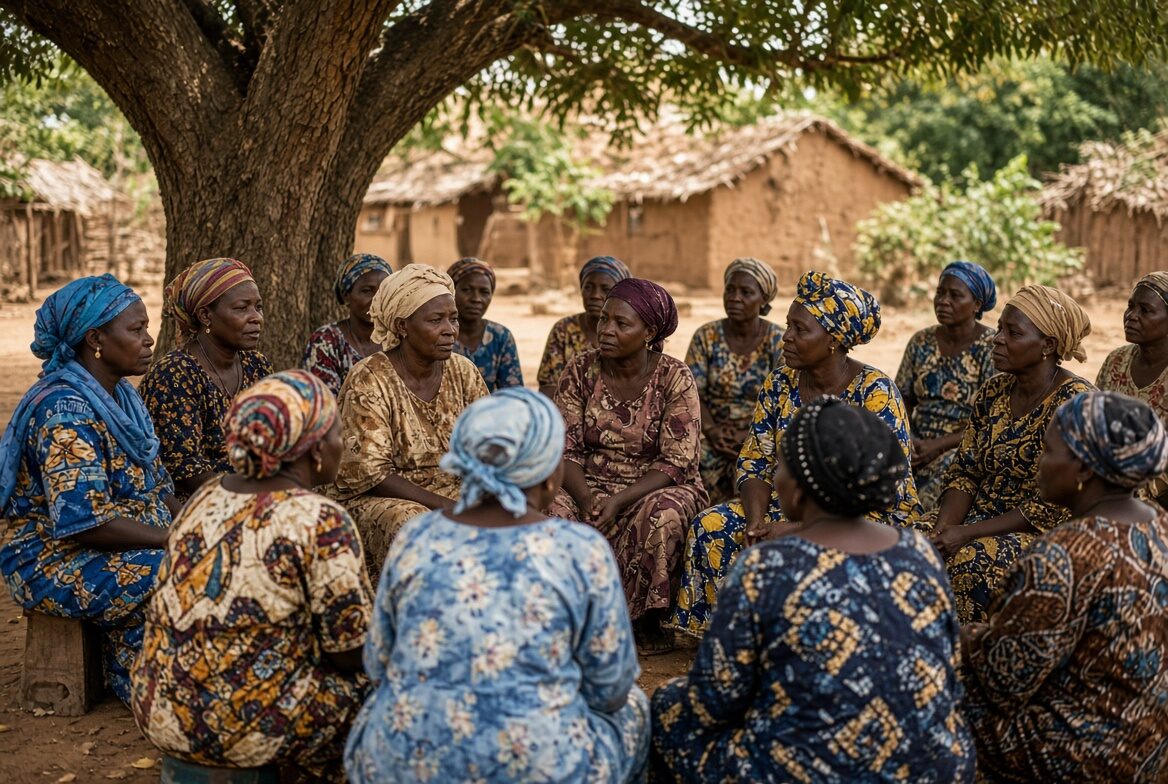
The fear Taylor’s patients articulate is not unique to Arizona. Qualitative research from Ethiopia, Zambia, Nigeria, the Democratic Republic of Congo, Nepal and Malawi documents similar patterns. In an Ethiopian study published in International Health, women who had undergone abortion described deep fear that their souls would not be saved on the Day of Judgment. Many reported that religious teaching framed abortion as a grave sin, yet they proceeded because of economic, relational or health pressures. The same women often kept the procedure secret from family and community because of anticipated condemnation. In Zambia, where abortion law is among the more permissive in sub-Saharan Africa, interviews found that women still viewed the act as a sin within their Christian communities. While many believed prayer could bring forgiveness, feelings of guilt and fear of reintegration into church life remained strong. Community-level religiosity, rather than individual belief alone, was associated with more negative perceptions of abortion.
In the Democratic Republic of Congo, an anthropological study recorded the proverb “Better dead than being mocked.” Women and girls described preferring the risk of unsafe abortion over the social and religious shame of an unwanted pregnancy. In Nigeria both Christian and Muslim communities treat abortion as a taboo that reinforces secrecy and drives women toward clandestine services. In Nepal, a recent qualitative study found that abortion is widely understood as immoral and equivalent to “killing a child,” with religious and karmic framings intensifying guilt, especially among unmarried women and those from conservative households. Patriarchal family structures and caste hierarchies compound the stigma. In Malawi, where the law remains highly restrictive, some Christian and Muslim leaders have begun publicly supporting legal reform after witnessing the medical consequences of unsafe procedures, yet opposition from other religious authorities remains strong and influential.
How Stigma Operates and What the Evidence Shows
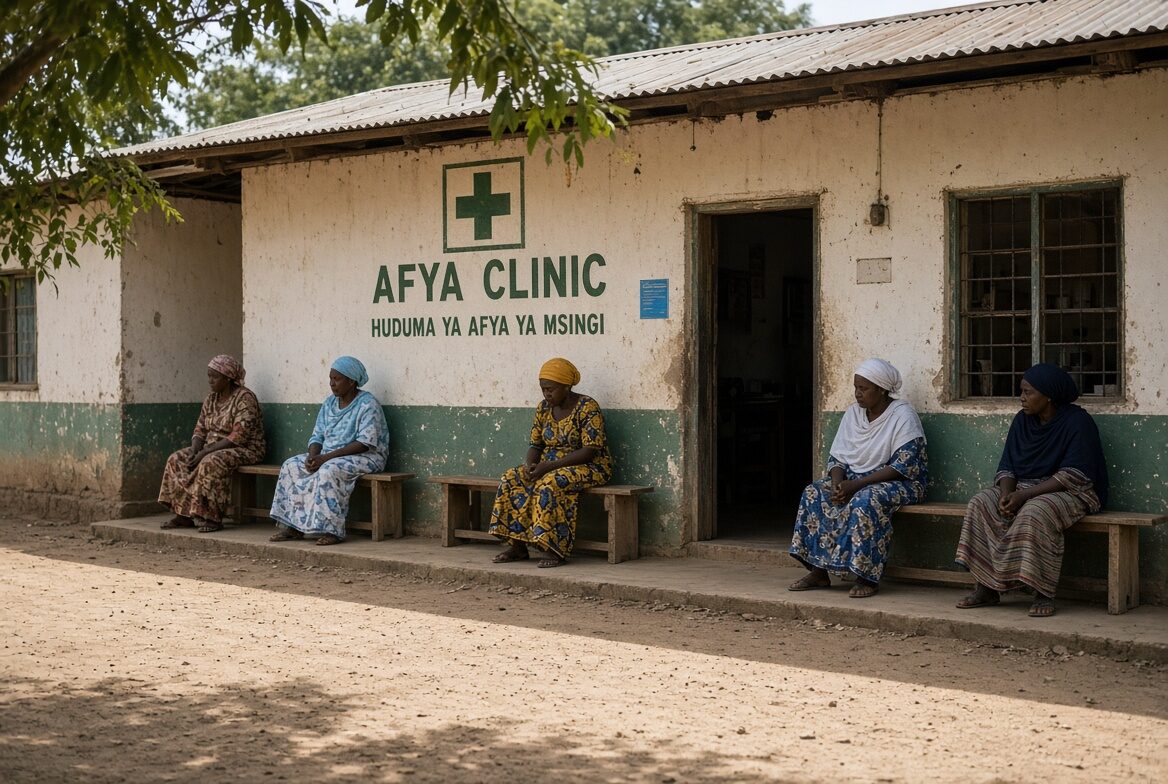
Abortion stigma is multi-layered. It includes internalized shame, anticipated judgment from family or congregation, enacted discrimination, and structural barriers created by laws and provider attitudes. WHO guidelines on abortion care identify stigma and the fear of being reported or judged as significant obstacles to timely, safe care. In settings where the procedure is legally restricted, the combination of legal risk and religious condemnation pushes many women toward unsafe methods. WHO has repeatedly noted that the majority of unsafe abortions and related deaths occur in lower-income countries, particularly in Africa and Asia. Restrictive laws do not eliminate demand; they shift the procedure into less safe conditions. Even where the law is more permissive, as in parts of Zambia or after recent reforms elsewhere in Africa, religious and community norms can still deter women from seeking legal services or from disclosing their decision.
Afrobarometer surveys conducted in 2024–2025 across 38 African countries found that public acceptance of abortion depends heavily on circumstance: roughly two-thirds accept it when the woman’s life or health is at risk, about half after rape or incest, and far lower proportions for economic reasons or on request. Religious affiliation alone did not strongly predict individual opinion, but community norms and the perceived commonness of abortion did. In several countries the law has moved ahead of majority moral acceptance. The practical result is that women who obtain care may still face intense private and communal religious judgment. Historical data from the Guttmacher Institute and other sources show that people of all major faiths obtain abortions; the decision is not confined to those without religious affiliation. Providers who acknowledge this reality, as Taylor does, are responding to a documented patient population rather than an exception.
Implications for Clinical Practice and Policy
Approaches that reduce religious stigma do not require providers to abandon their own beliefs or to endorse any particular theological position. They do require recognition that many patients arrive with fear of spiritual consequences and that this fear can delay care, increase anxiety, or push women toward less safe options. Simple measures—non-judgmental counseling, the option of prayer or pastoral support when requested, clear information that the decision does not automatically equate to eternal condemnation in every faith tradition—can lower the psychological barrier. In low-resource settings the same principle applies, though the structural constraints are heavier. Training providers to address religious concerns without coercion, supporting faith leaders who distinguish between personal moral views and the public-health need for safe care, and protecting confidentiality all appear in the literature as partial mitigations.
Legal reform alone is insufficient where community religious norms remain strongly opposed. Malawi’s experience shows both the power of religious leaders who have changed their position after seeing clinical consequences and the continued resistance from others. In Latin America, interfaith coalitions played roles in recent liberalization efforts in several countries, indicating that religious language is not monolithic. For health systems the practical task is to ensure that women who decide to end a pregnancy can do so without additional layers of spiritual terror or social exile, regardless of the legal status of the procedure. Taylor’s clinic in Arizona is one small illustration of how that task can be approached inside a single facility. The larger global pattern—documented in clinic waiting rooms from Phoenix to Lilongwe to Kathmandu—shows that the fear of damnation remains a measurable, cross-cultural barrier to safe abortion care.
Conclusion
Dr. DeShawn Taylor’s decision to pray with patients and to speak of divine forgiveness is a local response to a widely reported patient experience. In Arizona the legal environment has become more protective since 2024, yet religious stigma persists among patients. In many developing countries the same stigma operates alongside restrictive laws, limited clinical capacity and high rates of unsafe abortion. Evidence from Ethiopia, Zambia, the Democratic Republic of Congo, Nigeria, Nepal and Malawi consistently shows that women who obtain abortions frequently do so while carrying fear of spiritual judgment, community rejection and permanent moral stain. Reducing that burden requires both clinical sensitivity and broader efforts to separate the provision of safe care from theological condemnation. The Arizona clinic does not solve the global problem, but it demonstrates that acknowledging the religious lives of patients is one concrete way to lower a barrier that the public-health literature has repeatedly identified as real and consequential.
Sources
Reporting draws on The Guardian interactive feature (14 November 2026), Guttmacher Institute data on religious affiliation of abortion patients, WHO abortion-care guidelines, qualitative studies from Ethiopia (International Health), Zambia, Democratic Republic of Congo, Nigeria, Nepal and Malawi, and Afrobarometer Round 10 findings on African public opinion.
Research briefings by the gynecology.hospital editorial team summarise published studies and official data, and list their sources at the end of each article.