Menopause Hormone Therapy Access Worldwide
Menopausal hormone therapy is the most effective treatment for vasomotor symptoms and reduces fracture risk when started early. Utilization is low globally after the WHI, with marked ethnic and cultural disparities. Guidelines from IMS, NAMS, and NICE endorse individualized use before age 60 or within 10 years of menopause.

GLOBAL NEWS · RESEARCH BRIEFING
Menopause and Hormone Therapy Access Worldwide: Guidelines, Cultural Barriers, Regional Policies, and Health Outcomes
Why utilization remains low despite supportive guidelines, how the timing hypothesis shapes benefit-risk balance, and what country-level differences reveal about equity in midlife care
For publication on gynecology.hospital Editorial Team · 21 October 2026 · Category: Global News / Menopause |
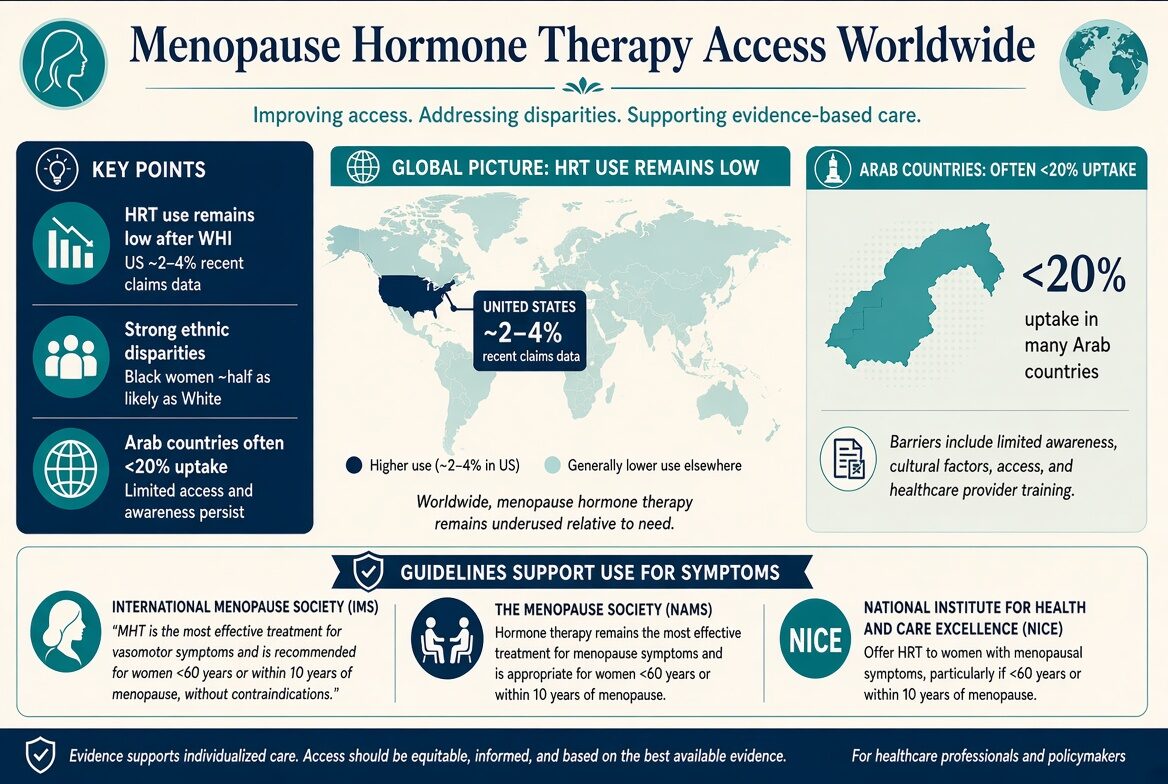
Menopause marks a universal biological transition, yet access to effective treatment for its symptoms and long-term health consequences remains highly uneven. Menopausal hormone therapy (MHT or HRT) is the most effective intervention for moderate-to-severe vasomotor symptoms and genitourinary syndrome of menopause, and it provides proven protection against bone loss and fractures when used appropriately. Major professional societies—including the International Menopause Society (IMS), the Menopause Society (formerly NAMS), NICE in the United Kingdom, and European and Asia-Pacific bodies—endorse its use for symptomatic women, particularly when initiated before age 60 or within ten years of the final menstrual period. Despite this consensus, real-world utilization is low in most settings, shaped by the long shadow of the Women’s Health Initiative (WHI), cultural attitudes toward menopause and aging, clinician caution, cost, and systemic inequities.
The evidence base and the timing hypothesis
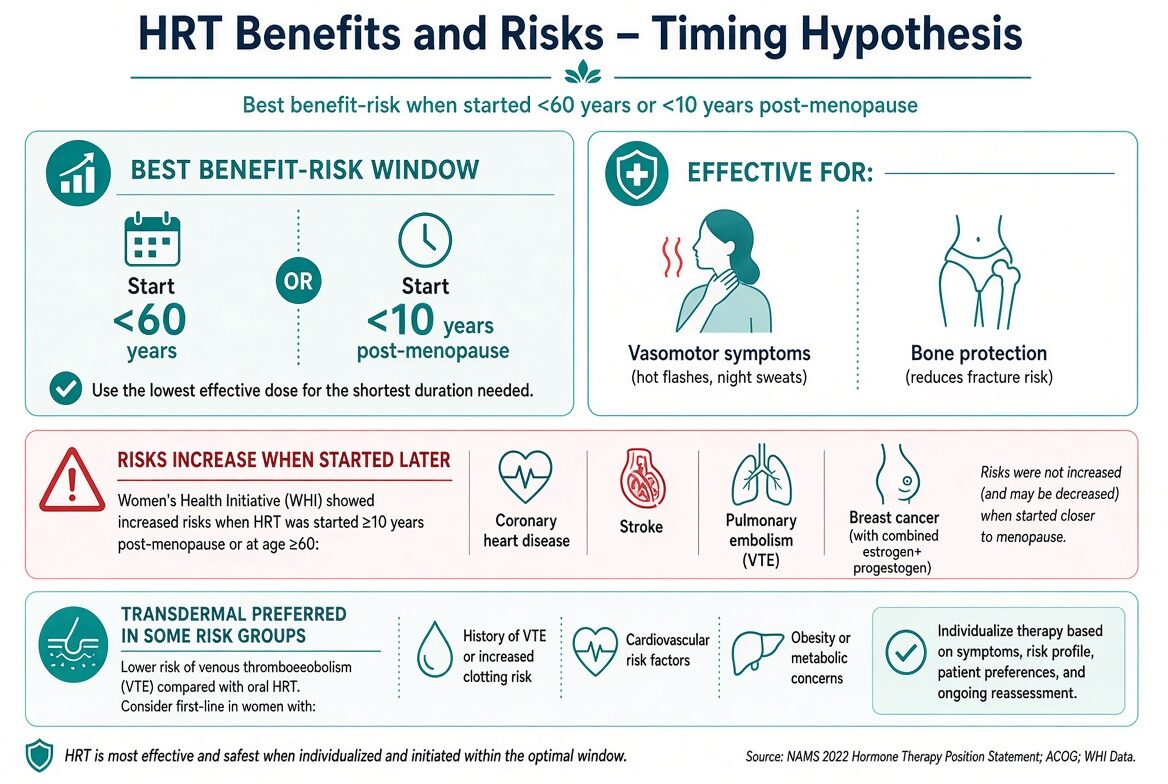
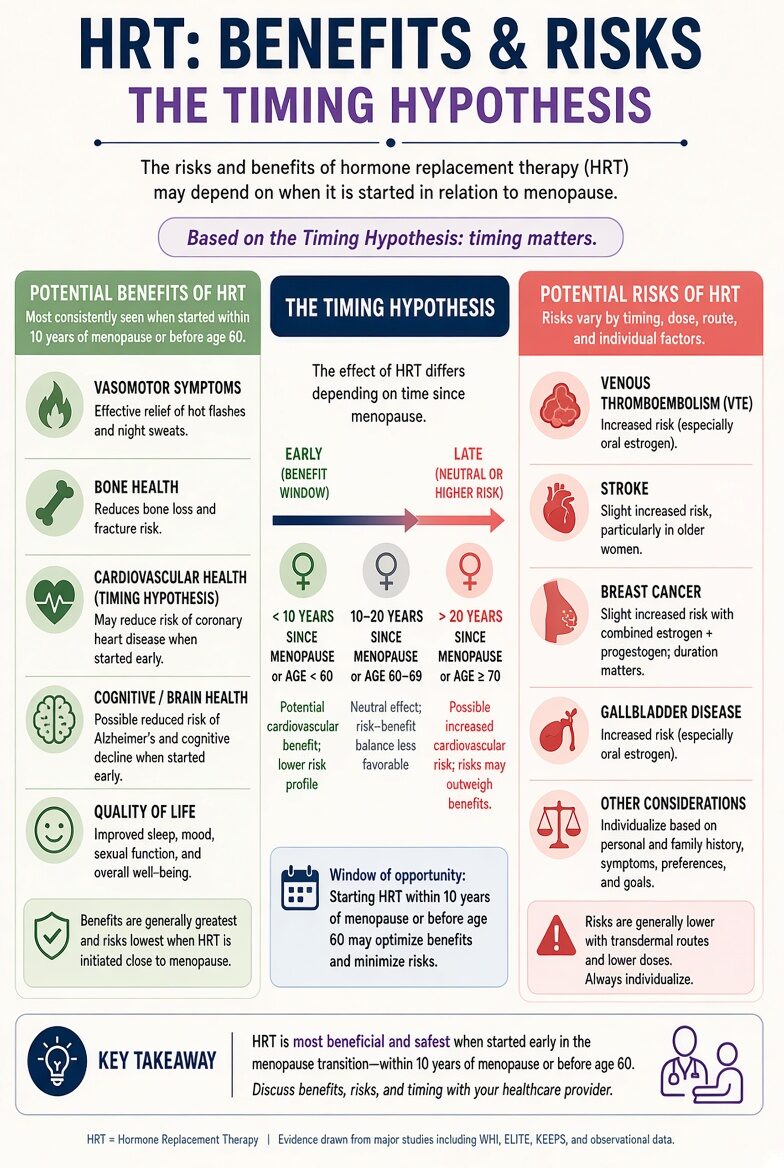
The 2002 WHI findings on combined estrogen-progestin therapy produced a sharp global decline in prescribing. Subsequent re-analyses and longer-term follow-up clarified that absolute risks are low when therapy is started close to menopause in healthy women, and that the benefit-risk balance is most favorable in this window. The “timing hypothesis” is now central to guidelines: initiation before age 60 or within ten years of menopause maximizes symptom relief and bone benefits while keeping cardiovascular and breast-cancer risks modest for most women. Estrogen-only therapy (in women without a uterus) and lower-dose or transdermal regimens further refine the risk profile. Transdermal estrogen is preferred by many societies for women with elevated venous thromboembolism risk. Long-term follow-up of WHI participants has not shown increased all-cause mortality overall, and younger women in the estrogen-alone arm showed favorable trends on several cardiovascular endpoints. Current guidance therefore emphasizes individualized assessment rather than blanket avoidance.
Utilization patterns and disparities
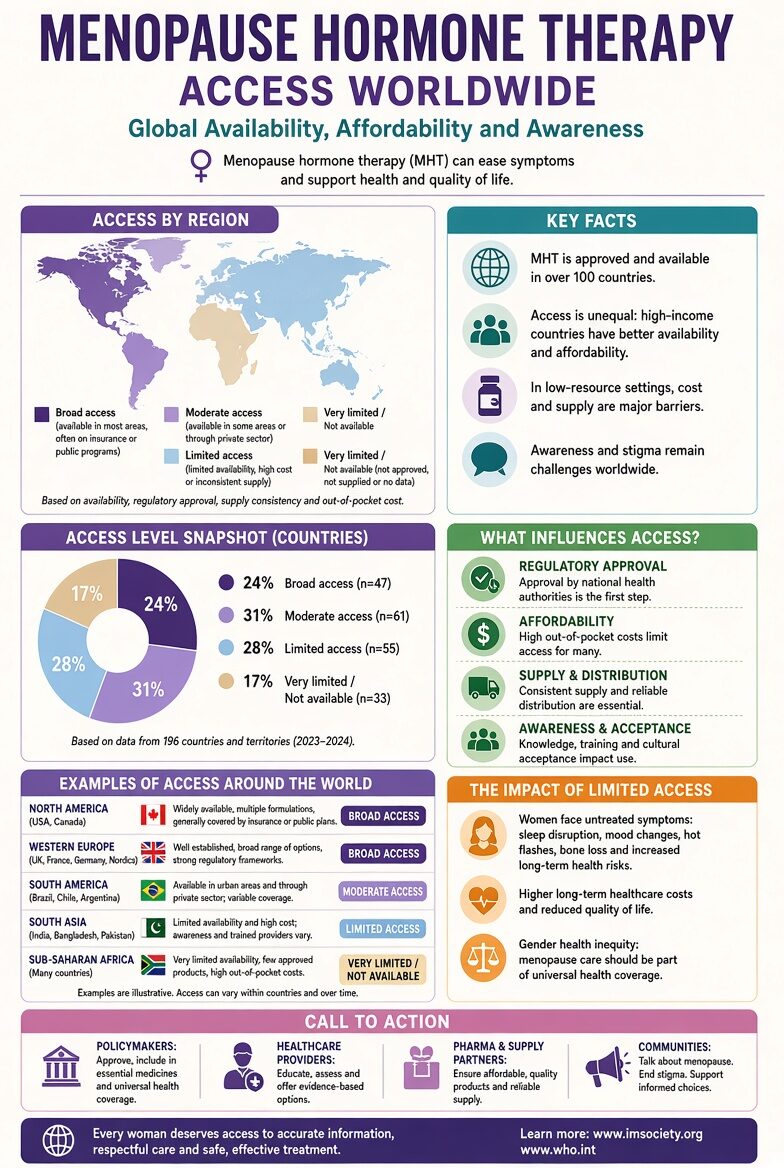
U.S. insurance-claims data indicate that hormone-therapy use among women over 40 fell to roughly 1.8–4 percent in recent years, far below pre-WHI levels. Ethnic disparities are pronounced: Black women have been reported to use HRT at roughly half the rate of White women, with lower rates also observed among Asian and other non-White groups. A large multi-country review of more than fifty studies found that ethnicity, obesity, diabetes, and prior vascular events consistently predicted lower uptake, even after accounting for healthcare engagement. In Arab countries, systematic reviews document generally low utilization—often below 20 percent and in some settings near zero—linked to cultural views of menopause as a private or natural process not requiring medical intervention, preference for herbal remedies, and limited clinician counseling. Asia-Pacific consensus statements note that lower estrogen doses are frequently preferred in practice and that cultural and family factors influence help-seeking. Across high-income Anglophone countries, multinational surveys show higher rates of healthcare consultation and prescription in the United Kingdom and United States than in Australia or Canada, yet overall uptake remains modest.
Regional barriers and policy differences
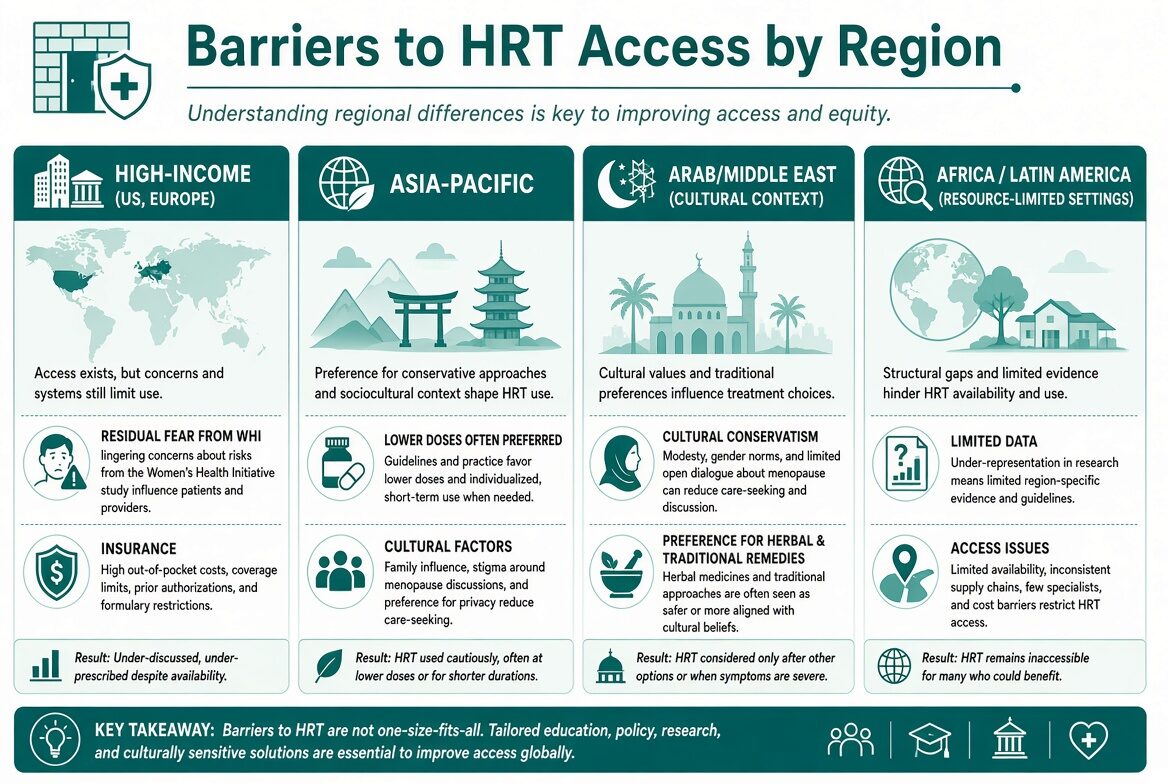
In high-income settings residual public and professional fear of the original WHI results continues to suppress use, compounded by insurance formularies, prior-authorization requirements, and uneven clinician training. In the Asia-Pacific region, societies have updated guidance to support MHT for vasomotor, somatic, and psychological symptoms and for osteoporosis prevention, while acknowledging that standard doses may be lower than those historically used in Western practice. Middle Eastern and North African studies repeatedly cite cultural conservatism, gender norms that discourage open discussion of menopause, and reliance on traditional remedies as barriers. In many low- and middle-income countries, limited product availability, cost, specialist shortages, and sparse local epidemiological data further restrict access. Regulatory environments also differ: some countries list bone-loss prevention as a formal indication, while others emphasize short-term symptom relief only. Compounded “bioidentical” preparations are widely discouraged by major societies because of inconsistent dosing and lack of safety data.
Cardiovascular and bone outcomes in context
Hormone therapy is not recommended solely for cardiovascular prevention. When started in the early window, however, it does not appear to increase coronary risk in the same way that later initiation did in the WHI, and it clearly reduces fracture risk. The absolute number of excess events (stroke, venous thromboembolism, breast cancer with combined regimens) remains small for healthy women in their fifties using modern regimens for symptom control. After discontinuation, fracture protection attenuates, underscoring that ongoing assessment is needed. Lifestyle measures, calcium and vitamin D adequacy, and non-hormonal options for vasomotor symptoms remain important adjuncts, particularly for women with contraindications. Recent regulatory moves, such as discussions in the United States about removing or revising long-standing boxed warnings, reflect evolving interpretations of the evidence and may gradually influence prescribing culture.
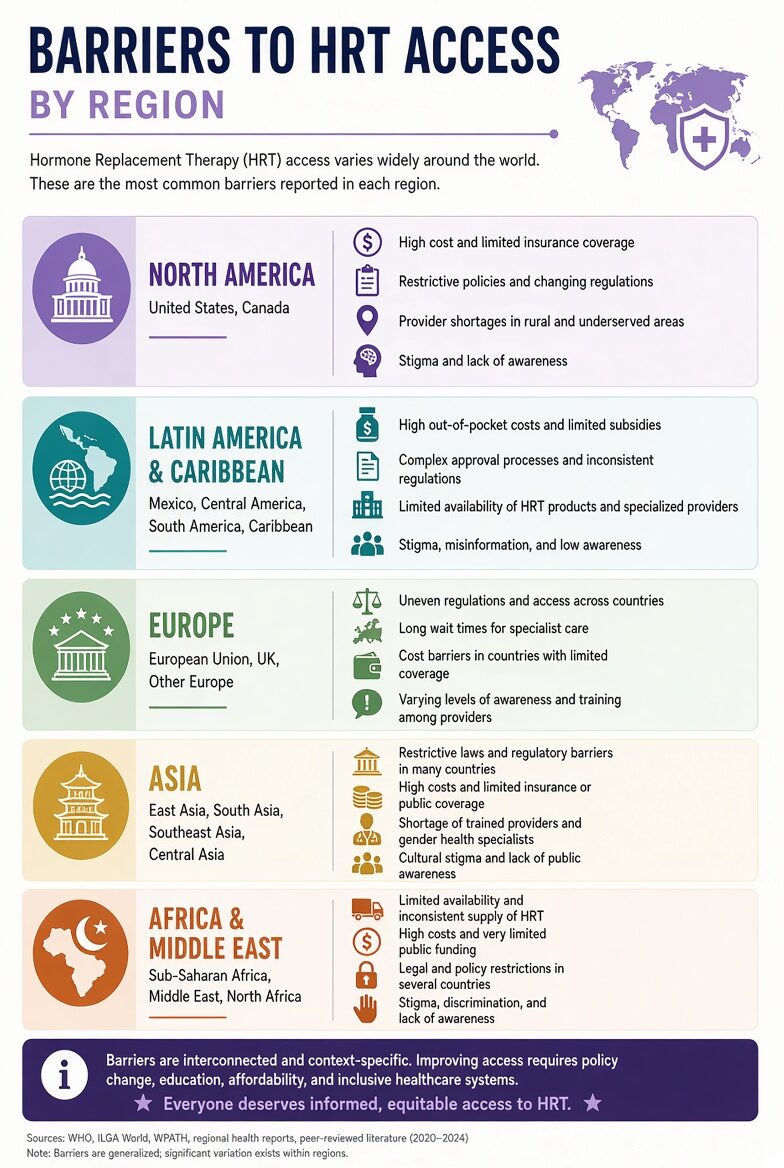
Equity gaps persist even where products are available. Women who already engage regularly with gynecology or screening services are more likely to receive therapy, while those facing language barriers, lower health literacy, or clinician bias are less likely. Addressing these disparities requires clearer public communication of the timing hypothesis, better clinician education, culturally adapted counseling, and policies that reduce financial and logistical obstacles. The International Menopause Society’s recent recommendations explicitly call for improved access to evidence-based information and care worldwide, recognizing that symptom burden and disease risk vary by region and that one-size-fits-all messaging is insufficient.
Menopausal hormone therapy remains underused relative to the number of women who experience bothersome symptoms and who stand to benefit from bone protection when therapy is initiated appropriately. Supportive guidelines from IMS, NAMS, NICE, and regional bodies exist, yet residual effects of the WHI, cultural attitudes, cost, and structural inequities keep utilization low in most countries. The most favorable benefit-risk balance occurs when treatment is started before age 60 or within ten years of menopause, with individualized choice of dose and route. Closing the gap between evidence and practice will require sustained public education, clinician training, and policy attention to the diverse barriers that shape access across high-income, middle-income, and low-resource settings.
Sources
International Menopause Society recommendations and 2024–2025 white papers on menopause and MHT.
Menopause Society (NAMS) 2022 hormone therapy position statement and related updates.
NICE NG23 menopause guideline updates and British Menopause Society guidance.
Women’s Health Initiative long-term follow-up analyses on mortality, cardiovascular outcomes, and fracture risk.
Multi-country reviews of HRT utilization and ethnic disparities (BJOG and related).
Asia-Pacific Menopause Federation consensus statements and Arab-country systematic reviews of HRT uptake.
U.S. insurance-claims analyses of recent hormone-therapy prevalence.
Research briefings by the gynecology.hospital editorial team summarise published studies and official data, and list their sources at the end of each article.