Resilience Amid Catastrophe: Sexual and Reproductive Health Response Following Venezuela’s June 2026 Earthquakes
On 24 June 2026, two major earthquakes struck the central-northern region of Venezuela, causing nearly 5,000 deaths, over 16,000 injuries, and the displacement of approximately 18,000 people. This article examines the humanitarian response led by the United Nations Population Fund (UNFPA)
Abstract
On 24 June 2026, two major earthquakes (magnitudes 7.2 and 7.5) struck the central-northern region of Venezuela, causing nearly 5,000 deaths, over 16,000 injuries, and the displacement of approximately 18,000 people. This article examines the humanitarian response led by the United Nations Population Fund (UNFPA), with particular focus on the continuity of sexual and reproductive health (SRH) services for pregnant and displaced women in temporary shelters.
Background and Impact
The earthquakes resulted in widespread structural collapse, particularly in La Guaira and surrounding areas. Survivors such as Roberto Rodríguez (24) and his partner Darya Morales (20) illustrate the human cost: Rodríguez lost his father and young sister, while Morales was trapped under rubble for approximately two hours after falling from the sixth floor of a 12-storey building. Remarkably, subsequent medical examination confirmed that Morales was pregnant and that the fetus had survived the trauma—an outcome described by the couple as “a true miracle.”
Humanitarian Response and SRH Interventions
UNFPA, in coordination with national authorities, established essential SRH services across three temporary shelters located in Caracas, La Guaira, and Miranda. Services include:
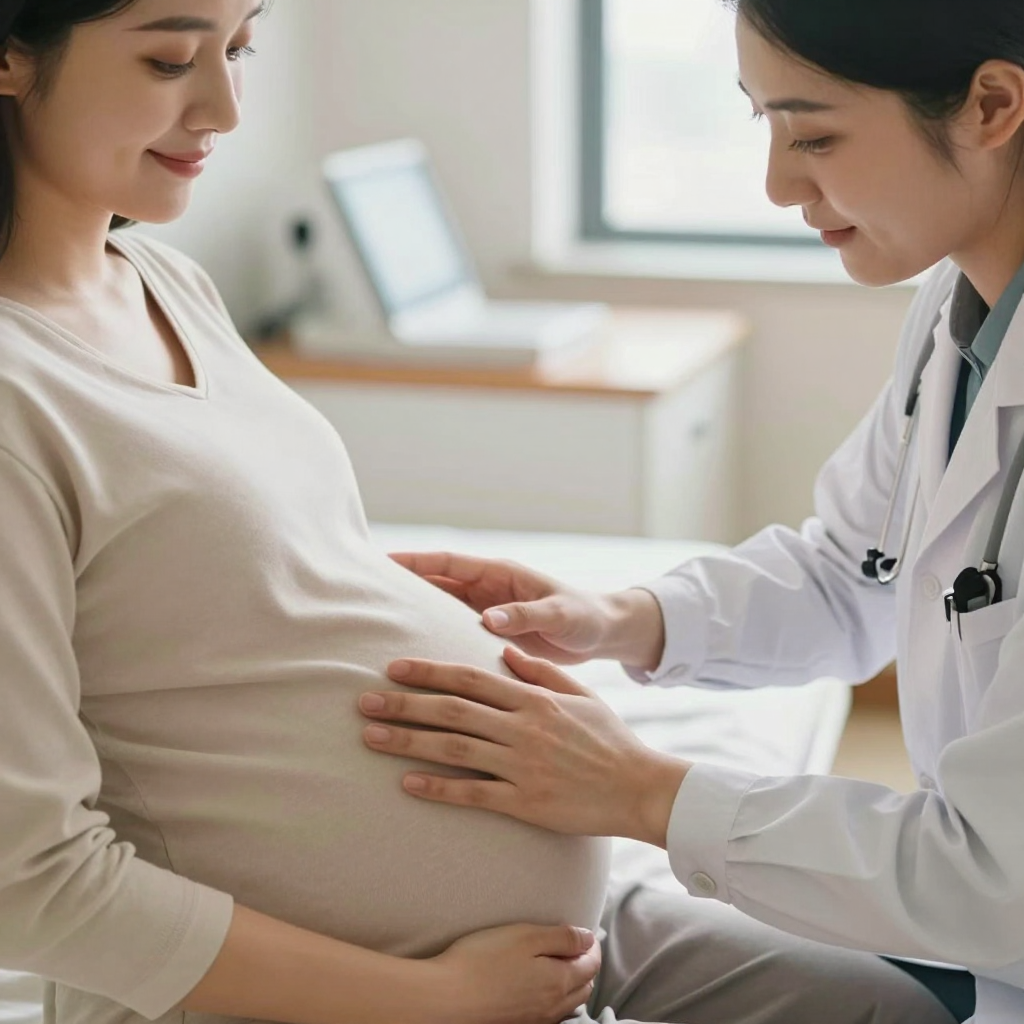
Prenatal consultations
Distribution of contraceptive methods
Screening for sexually transmitted infections
Referral pathways for obstetric emergencies
Morales is among the beneficiaries receiving prenatal care at the José María Vargas Sports Complex shelter in La Guaira, which currently hosts more than 1,000 displaced persons.
Community Resilience and Gender-Based Violence Prevention
Community members, including volunteer Yoseys Escalona (40), have assumed informal leadership roles within overcrowded tents housing 12–25 families. Escalona reports that women frequently organize mutual support systems despite profound losses. UNFPA has integrated gender-based violence (GBV) awareness sessions into shelter programming, enabling community representatives to identify and refer survivors to clinical management of rape, psychosocial support, case management, and legal counselling services.
Current Challenges and Funding Requirements
More than two weeks after the disaster, over 20,000 people remain in more than 100 temporary shelters. Overcrowding, limited essential services, family separation, and rising psychosocial distress continue to elevate protection risks. UNFPA has appealed for US$10 million to sustain critical interventions for the initial three-month emergency phase, including the deployment of reproductive health supplies and medical equipment.
Conclusion
The Venezuela earthquake response underscores the critical importance of integrating sexual and reproductive health services into rapid-onset disaster settings. The survival of both mother and fetus in extreme circumstances, combined with the rapid restoration of prenatal care and GBV prevention mechanisms, demonstrates the value of pre-positioned capacity and community engagement. Sustained funding and multi-sectoral coordination remain essential to transition from emergency response to recovery while protecting the health and dignity of affected women and girls.
Source
United Nations Population Fund (UNFPA). “I consider it a miracle”: The pregnant woman pulled from the rubble of Venezuela’s deadly earthquakes. 17 July 2026.
https://www.unfpa.org/news/%E2%80%9Ci-consider-it-miracle%E2%80%9D-pregnant-woman-pulled-rubble-venezuela%E2%80%99s-deadly-earthquakes
Research briefings by the gynecology.hospital editorial team summarise published studies and official data, and list their sources at the end of each article.